Operating a pharmacy in Ireland requires balancing patient care with growing regulatory demands. For pharmacy owners and managers, managing medications, staff, and patient health often leaves little time to address data protection requirements.
Yet GDPR compliance isn’t just another box to tick. It’s about protecting the trust your patients place in you every single day. When someone hands over their prescription, they’re trusting you with some of their most sensitive information. That trust is the foundation of everything you do.
This guide outlines ten practical steps for GDPR compliance tailored to Irish pharmacies in 2026. Use this checklist to review your systems or implement new digital tools, ensuring legal compliance and patient privacy.
Why GDPR matters more than ever for irish pharmacies
Since the General Data Protection Regulation came into effect on 25 May 2018, alongside Ireland’s Data Protection Act 2018, pharmacies have been operating under stricter data protection requirements than ever before. The Data Protection Commission serves as Ireland’s supervisory authority, and they take healthcare data seriously.
Non-compliance has consequences beyond financial penalties. Data breaches are among the most common issues identified during pharmacy inspections and can undermine the trust you have built with patients. Risks include misdirected prescriptions, unsecured communications, and inadequate digital record protection.
With effective systems and practices, GDPR compliance is manageable. Properly implemented technology can simplify compliance and enhance workflow efficiency.
The 10-Point GDPR compliance checklist for 2026
1. Display your privacy notice clearly and accessibly
Your privacy notice, or Data Protection Statement, must be clearly visible and accessible to all patients. This is a core requirement under GDPR transparency principles.
What you need to do:
- Display your privacy notice prominently at the pharmacy counter so patients can easily view and read it.
- If your pharmacy has a website, publish the privacy notice online.
- Provide printed copies for patients who wish to take the notice home.
- Ensure the notice clearly explains what data you collect, the reasons for collection, how it is used, and retention periods.
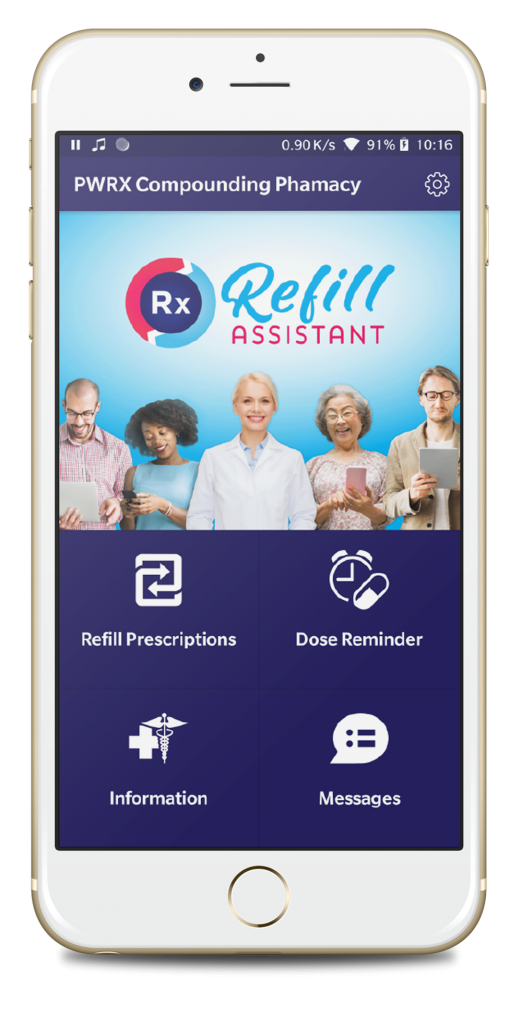
Refill Assistant advantage: Refill Assistant’s website and mobile app solutions include GDPR-compliant privacy notices, ensuring your online presence meets regulatory requirements from the outset.
2. Implement proper consent mechanisms
GDPR requires explicit, informed consent for specific purposes. Patients must actively opt in and fully understand what they are consenting to.
What you need to do:
- Create separate consent forms for each purpose, such as medication reminders, marketing communications, and service notifications.
- Use clear language, for example: “Would you like to receive text message or email reminders about your medication refills? Please tick the box if yes.”
- Document all consent with dates and specific purposes
- Ensure patients can easily withdraw consent at any time.
- Never use pre-ticked boxes or assume consent
Refill Assistant advantage: The booking engine and patient portal feature built-in consent capture for pharmacy services, vaccinations, and communications. Medical history forms and service-specific consent are collected before patients arrive, streamlining workflow and ensuring compliance.
3. Secure your digital systems with Two-Factor Authentication
Patient health data is highly sensitive under GDPR. Basic password protection is insufficient for systems managing prescription data.
What you need to do:
- Implement two-factor authentication (2FA) on all systems that access patient data.
- Use a password combined with either an SMS verification code or a USB security key.
- Require all staff with access to patient data to use 2FA.
- Regularly review and update staff access permissions.
Refill Assistant advantage: The Pharmacy Portal requires mandatory two-factor authentication for all logins. Staff access patient data only after entering both their password and a verification code sent to their mobile phone or via a pre-set USB security key, providing robust protection against unauthorized access.
4. Train all staff on data protection responsibilities
Every person who handles patient information in your pharmacy, from locum pharmacists to counter assistants, must understand their data protection obligations.
What you need to do:
- Conduct annual GDPR training for all staff.
- Cover practical scenarios like handling prescriptions at the counter, managing phone queries, and disposing of documents
- Inform staff of the penalties for data breaches, both for the pharmacy and individuals.
- Maintain records of staff training completion.
- Use the IPU’s annual May data protection review to refresh staff awareness.
Key training points:
- Never confirm patient names or addresses where others can overhear.
- Do not leave prescriptions visible to other customers.
- Use secure disposal methods for documents containing patient data.
- Follow established procedures for handling delivery errors.
5. Establish clear data processing boundaries
Under GDPR, pharmacies act as data controllers, determining what patient data to collect and how to use it. Only process data necessary for specific purposes.
What you need to do:
- Collect only the minimum data required to provide pharmacy services and process payments.
- Document your lawful basis for processing, typically the provision of healthcare services and payment processing.
- Do not use patient data for purposes beyond those specified and consented to.
- Regularly review collected data and delete any information that is no longer necessary.
Refill Assistant advantage: The platform is designed for data minimization, collecting only essential information for prescription ordering, appointment booking, and secure messaging. This helps prevent the collection of unnecessary patient data.
6. Create and follow a data breach response plan
Data breaches can occur despite best efforts. A documented response plan is both good practice and a legal requirement.
What you need to do:
- Document procedures for identifying and responding to potential breaches.
- Assign specific staff members to manage breach response.
- Recognize that breaches include giving medication to the wrong patient, leaving prescriptions with neighbors, or accidental email disclosures.
- Be aware of the 72-hour reporting requirement to the Data Protection Commission.
- Prepare breach documentation templates that include details of the incident, number of individuals affected, likely consequences, and mitigation steps.
- Establish procedures to notify affected patients when breaches pose a high risk to their privacy or safety.
Critical reminder: Any incident where patient information is disclosed to unintended recipients constitutes a breach and requires action, regardless of severity.
7. Honor patient rights requests promptly
GDPR grants patients specific rights regarding their personal data. Pharmacies must have efficient processes to address these requests.
What you need to do:
- Respond to subject access requests within one month.
- Verify the identity of individuals before providing data.
- Provide data free of charge unless requests are clearly excessive.
- Allow patients to request correction of inaccurate data.
- Understand when patient data can and cannot be deleted, as retention may be required for health or legal reasons.
- Make it easy for patients to restrict the processing of their data.
Refill Assistant advantage: The Pharmacy Portal offers built-in patient privacy management tools. Under Settings, you can restrict data processing, export patient data on request, and manage account recovery, simplifying the fulfillment of patient rights requests.
8. Maintain secure data sharing practices
Pharmacies may need to share patient information with other healthcare providers, but such sharing must follow strict protocols.
What you need to do:
- Use Healthmail, Ireland’s secure health communication system, for all electronic communications with GPs and healthcare providers.
- Obtain patient consent before sharing information, especially with consultants or specialists.
- Understand when oral consent can be reasonably assumed, such as when patients provide your pharmacy details to hospital healthcare professionals.
- Respond appropriately to lawful requests from Gardaí (must be in writing), Coroners, and HSE Environmental Health Officers
- Note that next-of-kin status does not grant automatic access to patient data.
- Require signed patient consent forms from solicitors before releasing information.
- While GDPR does not apply to deceased patients’ records, confidentiality obligations remain.
Important: The upcoming Health Information Bill will require data sharing among healthcare providers, making secure systems even more essential.
9. Ensure your digital solutions are GDPR and EU web accessibility compliant
Websites, mobile apps, and online booking systems must comply with both GDPR and EU Web Accessibility regulations.
What you need to do:
- Verify that all digital platforms handling patient data are GDPR compliant.
- Ensure websites meet EU Web Accessibility standards.
- To sell non-prescription medicines online in Ireland, websites must display the EU Common Logo and be listed on the Internet Supply List of their country of operation, according to the Pharmaceutical Society of Ireland.
- Work only with technology providers who sign sub-processor agreements.
- Confirm that systems include audit functions to track all data access and modifications.
Refill Assistant advantage: Refill Assistant is the first GDPR and HIPAA compliant prescription ordering system designed for independent community pharmacies. All patient data is hosted on EU servers, encrypted during transmission, and the platform meets both GDPR and EU Web Accessibility requirements. Comprehensive audit logging and sub-processor agreements are standard.
10. Conduct regular compliance reviews and maintain documentation
GDPR compliance is an ongoing process that requires regular reviews and thorough documentation.
What you need to do:
- Schedule an annual data protection review each May, as recommended by the IPU.
- Maintain records of all data processing activities.
- Document staff training completion dates.
- Keep copies of all patient consent forms.
- Record all data breaches and your responses.
- Update policies and procedures as regulations or practices change.
- Use the IPU’s compliance checklist and templates, available in the updated Data Protection section.
Documentation to maintain:
- Privacy notices and how they’re distributed
- Staff training records
- Consent forms and consent withdrawal requests
- Data processing activity logs
- Breach incident reports
- Patient rights request responses
- Sub-processor agreements with technology vendors
How technology can support your compliance journey
Many pharmacy owners are concerned that digital solutions may complicate GDPR compliance. However, purpose-built pharmacy technology can simplify compliance and enhance patient service.
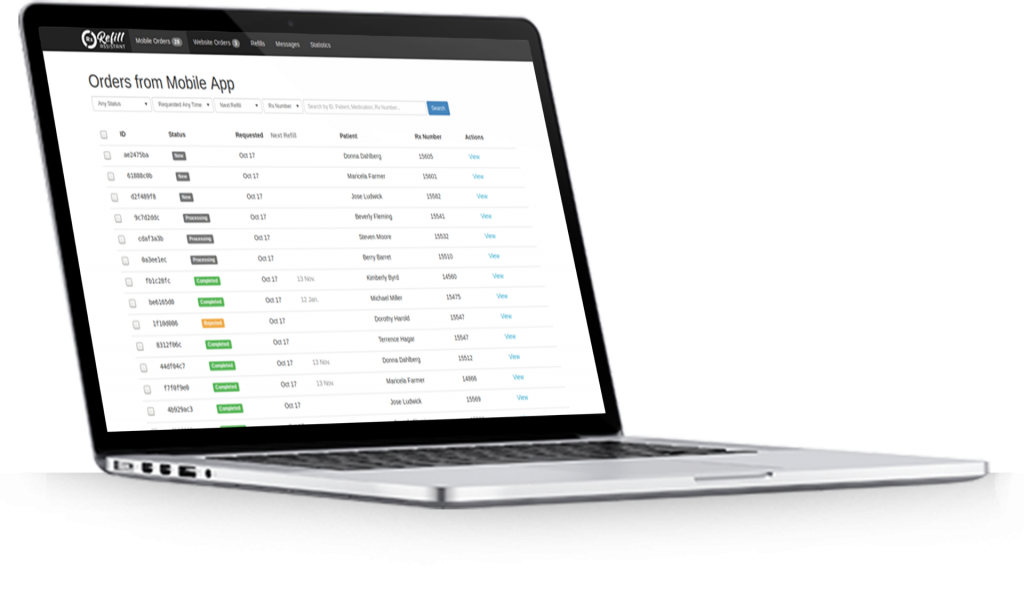
Modern systems such as Refill Assistant manage technical security requirements including encryption, two-factor authentication, secure hosting, and audit trails. This allows you to focus on patient care rather than IT management. These systems also reduce breach risks by minimizing phone conversations about prescriptions, reducing paper handling, and providing clear audit trails of patient interactions.
According to Luda Partners, when patients use a secure app or website to order prescriptions instead of calling, their personal data is better protected, the risk of being overheard is reduced, and communications are securely documented in line with strong data protection requirements. Two-way secure messaging also helps keep private health information confidential by avoiding discussions over public or insecure phone lines.
The booking engine enables collection of vaccination consent, medical history, and service agreements before patient appointments, reducing paperwork and ensuring proper documentation. All information is encrypted, backed up, and accessible only through authenticated logins.
Taking Action: Your next steps
If you are uncertain about your pharmacy’s GDPR compliance status, you are not alone. Many pharmacy owners and managers share these concerns, particularly as they balance patient care with growing administrative demands.
Begin by systematically working through this checklist. Identify strengths and areas for improvement in your current practices. Focus first on high-risk areas such as securing digital systems, training staff on counter procedures, and ensuring proper consent mechanisms.
Immediate actions to take this week:
- Review your privacy notice and ensure it is prominently displayed.
- Confirm that all staff understand basic data protection procedures, especially regarding counter privacy.
- Verify that your digital systems use two-factor authentication.
- Confirm that you have a documented breach response plan.
Within the next month: schedule comprehensive staff GDPR training, review and update consent collection processes, audit current patient data collection and storage, and evaluate new technology options for GDPR compliance.
The Bottom Line
GDPR compliance does not have to be overwhelming. While regulations are strict and consequences serious, the core principle is clear: handle patient data with the same care and respect you would expect for your own medical information.
By implementing effective systems, training staff, maintaining thorough documentation, and using GDPR-compliant technology, you can protect patient privacy while improving your pharmacy’s efficiency and service quality.
The trust your patients place in your pharmacy is its most valuable asset. Strong GDPR compliance protects this trust and positions your pharmacy for a future where digital convenience and data security are integrated.d.
About Refill Assistant
Refill Assistant provides GDPR-compliant digital solutions specifically designed for Irish pharmacies. Our platform includes professionally designed websites, mobile apps, prescription ordering systems, services booking engines, telehealth capabilities, and secure patient messaging, all built with data protection and compliance at their core.
As an IPU Affiliate Partner for Websites & Mobile Apps, Refill Assistant understands the unique needs of Irish community pharmacies. We handle the technical complexity of GDPR compliance so you can focus on what you do best: caring for your patients.
Interested in learning how Refill Assistant can support your compliance efforts while reducing phone calls and improving patient access?
📞 Call us: +353 21 2121393
✉️ Email: des@refillassistant.com
🌐 Visit: www.refillassistant.ie
📍 Location: Cube Building, Monahan Rd, Cork, T12 H1XY, Ireland
We offer free webinars on training and topics relevant to pharmacies and are available to discuss how our solutions can address your pharmacy’s specific needs.s.
This blog post provides general guidance on GDPR compliance for Irish pharmacies. For specific legal advice regarding your pharmacy’s particular circumstances, please consult with a legal professional specializing in data protection law. Information current as of January 2026.